
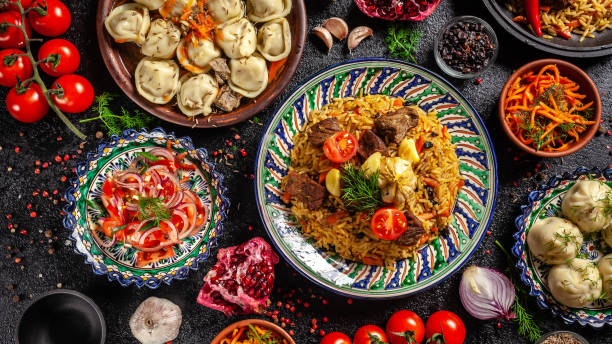
Biryani Worldwide Popularity: From Indian Kitchens to Global Menus

Picture the hot steam rising from a biryani cooker. At first thing you smell is the aroma of cloves, saffron, and tender meat. This iconic dish presents perfectly layered fluffy rice, carrying the rich history of biryani in every grain. As you explore further, the different types of biryani, biryani worldwide reveals a unique regional touch, making every bite a celebration of tradition and taste.
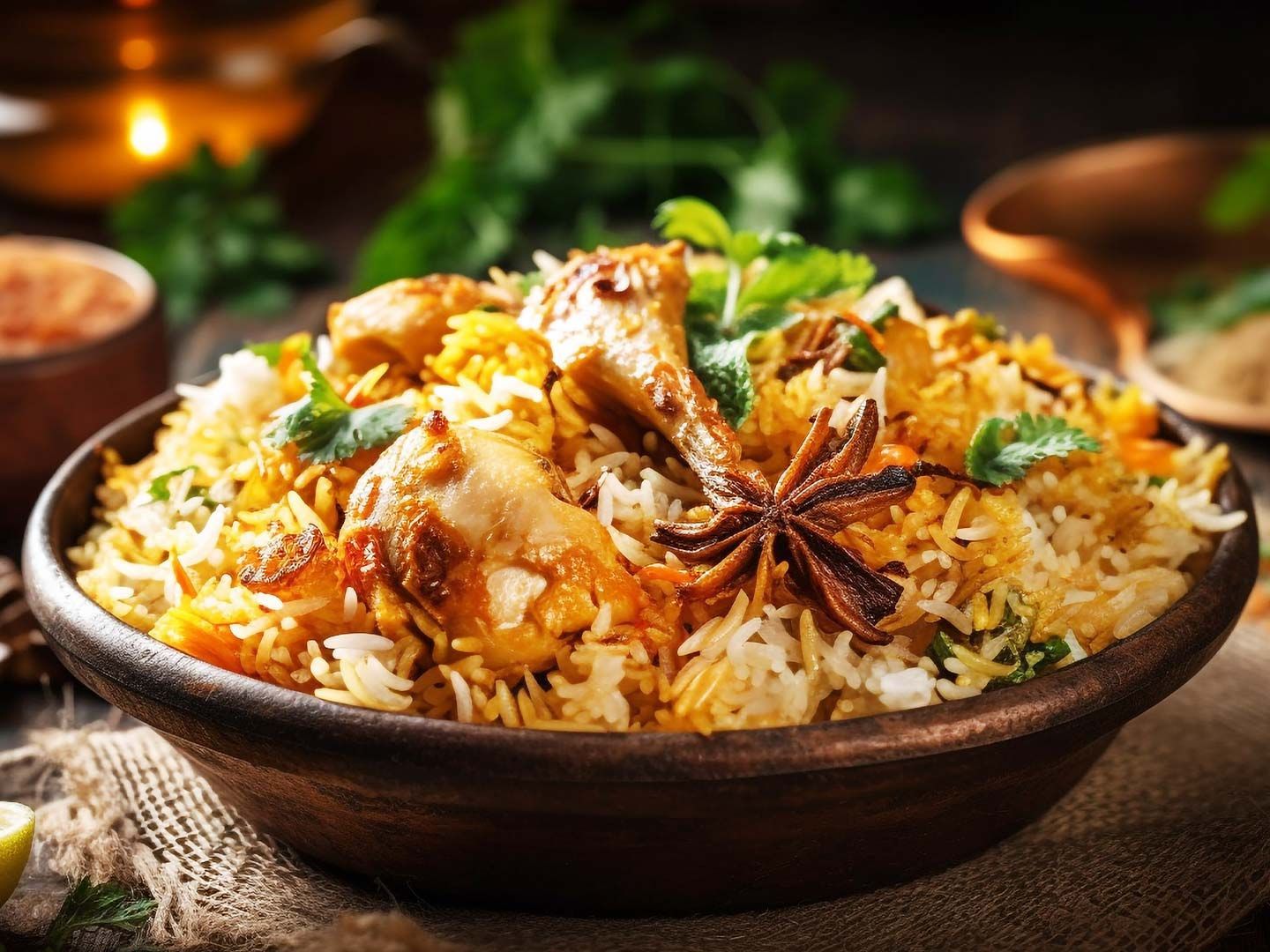
Image Source: gqindia
Actually, Biryani isn’t just food, it’s like a way to connect cultures. This dish carries flavors from busy streets around the globe to old Indian homes. And from small eateries to fancy places, its tasty flavor has won people over everywhere.
The Historical Roots and Royal Legacy of Biryani
Mughlai Origins of Biryani and Early Evolution
The history of Biryani’s starts with Persian travelers and the Mughal Empire. Old writings say royal chefs made it fancy with great stuff like lamb, saffron, and nice-smelling spices.
The dum pukht way of cooking became super important. Because of this many types of biryani popped up all over India.
Regional Indian Variations of Biryani: A Culinary Map
India offers many regional variations. As a result, it is home to some of the most famous types of biryani in the world. Each variation represents a new chapter in the long history of biryani, shaped by local ingredients and traditions. From south to north, flavors shift in fun ways.
Take Hyderabadi biryani, for instance. It’s got a spicy kick from red chilies. On the other hand, Lucknowi biryani is light and smells great with rose water and gentle spices.
Then there’s Kolkata biryani with potatoes, a local twist, plus eggs to make it even richer. Each type mirrors its region, so biryani shows off India’s diversity.
- Hyderabadi: Fiery, with goat or chicken and fresh mint.
- Lucknowi: Delicate, often with lamb and subtle cardamom.
- Kolkata: Hearty, featuring aloo and a touch of sweetness.
The Etymological of Biryani: Understanding the Name
So, the word biryani comes from Persian, birian, which means to sear meat and rice. Some think it’s also linked to Arabic fried rice.
Either way, the name tells you how it’s made: fry spices and meat first, then layer and steam it all together.
This history of biryani in the name shows its travel story and the evolution of various types of biryani. From ancient words to modern plates, it carries that fried-then-slow-cooked charm.
The Mechanics of Migration: Biryani Goes International
Colonial Influence and Diaspora Spread
British rule sent Indians abroad for jobs, bringing biryani with them. Trade routes also spread the dish as recipes were swapped with sailors.
In the UK, early Indian restaurants popped up in the 1900s, serving biryani to Indians who missed home. The Caribbean also got biryani from Indian workers. There, it mixed with local flavors like jerk spice.
The Middle Eastern Adaptation of Biryani
Indian traders and locals shared recipes, mixing ideas for spiced rice and meat dishes like kabsa.
Old cookbooks show that back in the 1500s, spices moved along trade routes and changed Gulf biryanis. Now, it’s a popular food for iftar in Ramadan.
Biryani on the Modern Global Menu: Commercialization and Trendsetting of Biryani Worldwide
The Rise of Biryani in Western Fast-Casual Dining
Biryani’s not just for fancy places anymore! Now you can grab a bowl at spots like Cava or even from food trucks in the US and Europe. It’s rice, protein, and veggies all quick and easy.
It’s a win for people on the go. Restaurants whip it up fast, usually in under 10 minutes! They still use real spices, so it tastes great.
Remember, fresh is key, even if it takes a bit longer. It’s worth it when customers keep coming back. Just look at Biryani Cart in New York—people line up for the real deal.
Digital Dominance and Delivery Platforms for Biryani Worldwide
In cities like New York or Sydney, searches for it jump 30% on weekends. As a result, delivery boosted sales by 50% in the UK last year. As a result It added a new chapter to the modern history of biryani.
Meanwhile, local vendors shine on these platforms. You see family recipes from immigrant cooks. It helps small spots reach far.
Similarly, trends show spikes in places like Canada. Interestingly, Toronto orders biryani more than butter chicken. Apps make it simple to try global twists and regional types of biryani from home.
Vegan and Halal Segments in the Biryani Worldwide Market
Biryani’s getting big! Plant-based choices are up 40%, and Halal certification helps us reach Muslim customers across the globe, growing biryani’s story.
In the US, some places have both to suit different diets. They switch out the proteins but keep the same spices, making new types of biryani that still taste like the real deal. This way, everyone wins.
Basically, as more folks ditch meat, people want biryani more and more. Also, Halal labels help build trust in new places. Biryani is changing, but it’s still biryani at its core.
Cultural Significance and Culinary Integrity of Biryani Worldwide
Biryani Worldwide as a Symbol of Celebration and Identity
Across the world, this dish plays a central role at weddings in Mumbai’s diaspora. It is the star dish. Eid in London sees pots cooking for hundreds.
In Toronto, South Asian festivals center on it. Families gather and share stories over steaming plates. They celebrate different types of biryani passed down through generations.
This role goes beyond food. It builds community in new lands. One pot can feed a crowd and spark joy. It carries the shared history of biryani.
Navigating Authenticity: The Chef’s Dilemma in Biryani Worldwide
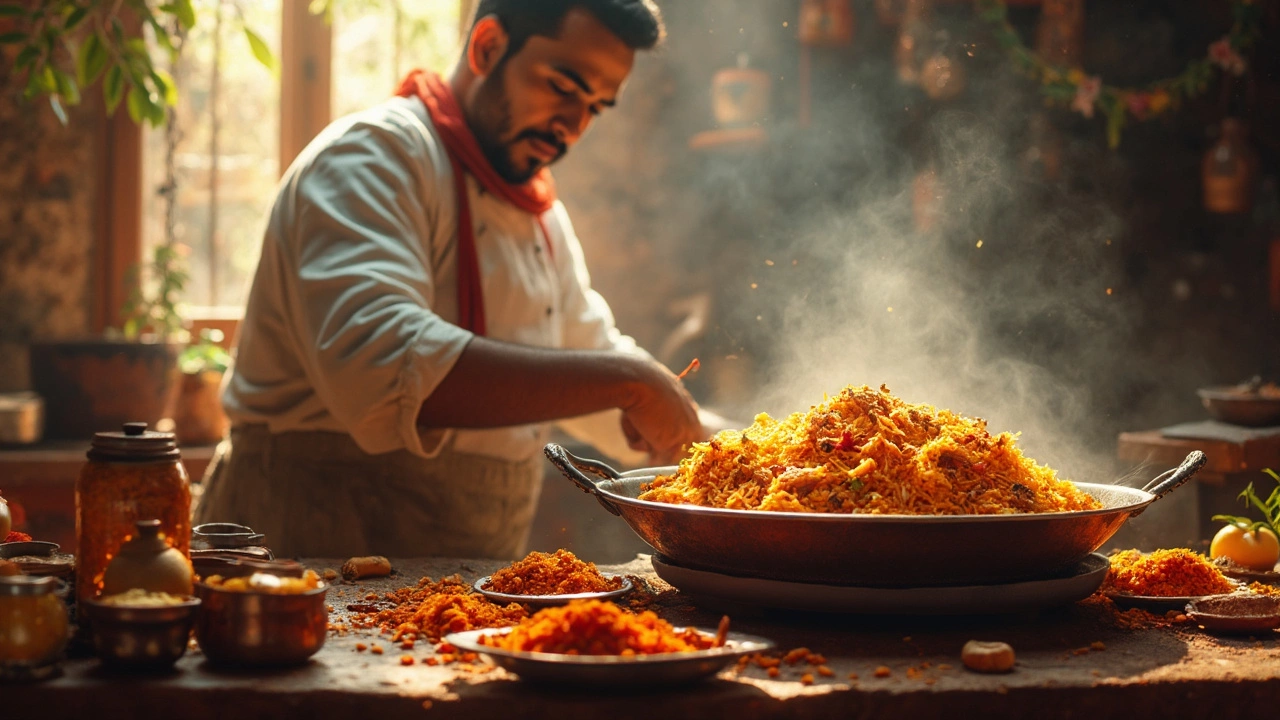
Image Source: pizzaparadise
Chefs cooking overseas have to make some hard calls, especially with biryani. Marinating meat takes ages, but folks want their food fast. So, some chefs use pre-mixed spices to save time.
Getting good basmati from India can be expensive, and they might try using local rice, which messes with the texture. Also, people have different tastes – Westerners usually want it less spicy.
To see if biryani is the real deal, look for saffron and those distinct layers. Ask how long it takes to cook; if it’s over two hours, that’s a plus. And definitely avoid anything watery!
Ingredient Sourcing: The Global Supply Chain
To get real basmati rice, it comes all the way from Punjab fields. Spices like cardamom come from Kerala markets. If shipments are late, the price can go up by 20%.
Now, exporters use cold storage to keep everything fresh. In Europe, there are rules to check that it’s pure. This whole process makes sure that things taste good.
Bad weather can cause problems with crops. These days, tech helps to track where shipments are. Because of these efforts, your plate benefits!
Conclusion: The Enduring Flavor of Fusion
Starting in Indian royal kitchens, it traveled with people everywhere. It got big because folks in the Middle East, Asia, and the West changed it up a bit.
Now, it’s everywhere – from fast food to delivery apps. Even with new stuff added, that smell stays the same. So next time you eat it, think about where it’s been. Making it yourself is super easy. Sharing it? Even better.