Tantra Sadhana: The Ancient Discipline of Awakening Body, Mind, and Spirit

Before “spiritual wellness” was a hashtag, seekers across India were already walking a much quieter, harder road toward self-improvement. They called it Tantra Sadhana: a practice that sees the body and mind as gateways to spirit itself. Pop culture has done this word up over the years, stuffing it with meanings that have almost nothing to do with what it actually is. Take all that away and what remains is something much more simple, and frankly much more demanding — a disciplined path of meditation, self-realization, and slow, deliberate work on the self. No shortcuts. Not a trend that’s going to die next year. Just the quiet, unglamorous business of turning in.
So What Is Tantra Sadhana, Exactly?
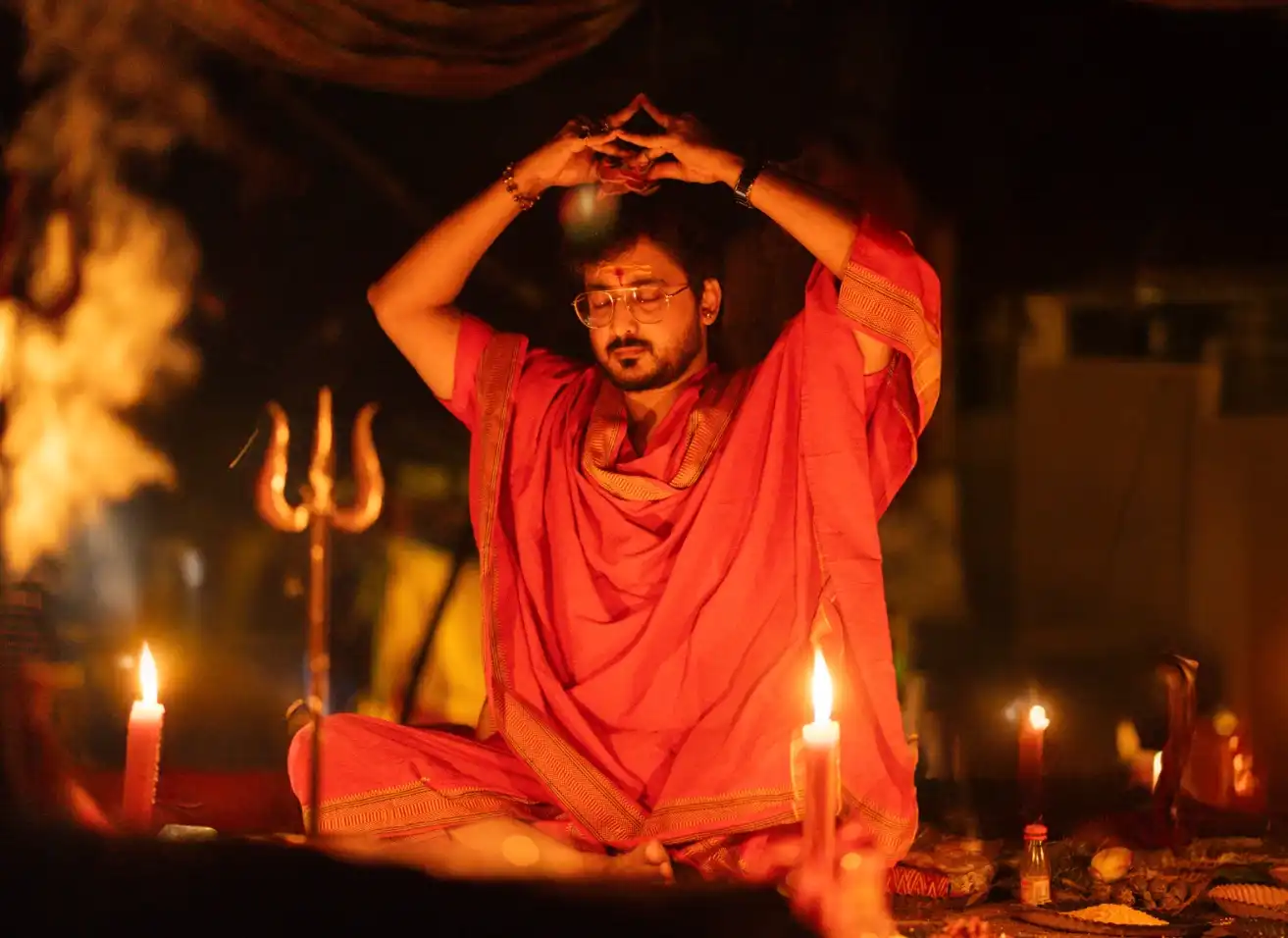
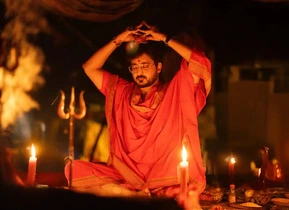 Image Source: Nabatara Institute of Astrology
“Sadhana” derives from the Sanskrit root “sadh” — to accomplish, to master. Tantra draws on vast ancient texts, holding one core truth: human body is sacred, a doorway to depth and awareness.
“Tantra” is a bit harder to pin down. It refers to an enormous body of ancient texts and techniques, and one of its central ideas is that the human body itself is sacred — a kind of instrument that, when properly understood, can hold real depth and awareness.
Bring the two together and you get Tantra Sadhana: a structured path of inner growth where the body, the breath, the mind, and one’s inner energy aren’t obstacles to overcome, but tools to actually work with.
Some spiritual traditions ask you to renounce the material world entirely. Certain branches of Tantra go the other way — they treat the body and everyday life, approached with real awareness and discipline, as the very route toward spiritual understanding.
Discipline Comes Before Depth of Tantra Sadhana
Here’s the thing nobody wants to hear: no sadhana works without consistency. This is exactly where most people trip up. Practitioners never meant Tantra Sadhana as a weekend retreat or a one-time checklist item — it demands daily commitment which helps you in your self-improvement.
Traditionally, practitioners try to sit before sunrise, during what’s called “Brahma Muhurta”. That window is considered ideal for meditation, mostly because everything’s still quiet — the world hasn’t started demanding your attention yet.
And this discipline doesn’t stay confined to the meditation cushion. It tends to spill into what you eat, how you sleep, how you speak, even the shape of your thoughts. Practitioners are encouraged to practice restraint — not as some kind of punishment, but as a way of protecting focus and energy from getting scattered on things that don’t matter.
In a world of endless notifications and doom-scrolling, that kind of intentional restraint can feel almost impossible. Which, honestly, is exactly why it matters.
Meditation Is the Real Core of It All
Meditation sits right at the center of Tantra Sadhana, but let’s be clear — this isn’t the five-minutes-before-bed kind of meditation most of us are used to.
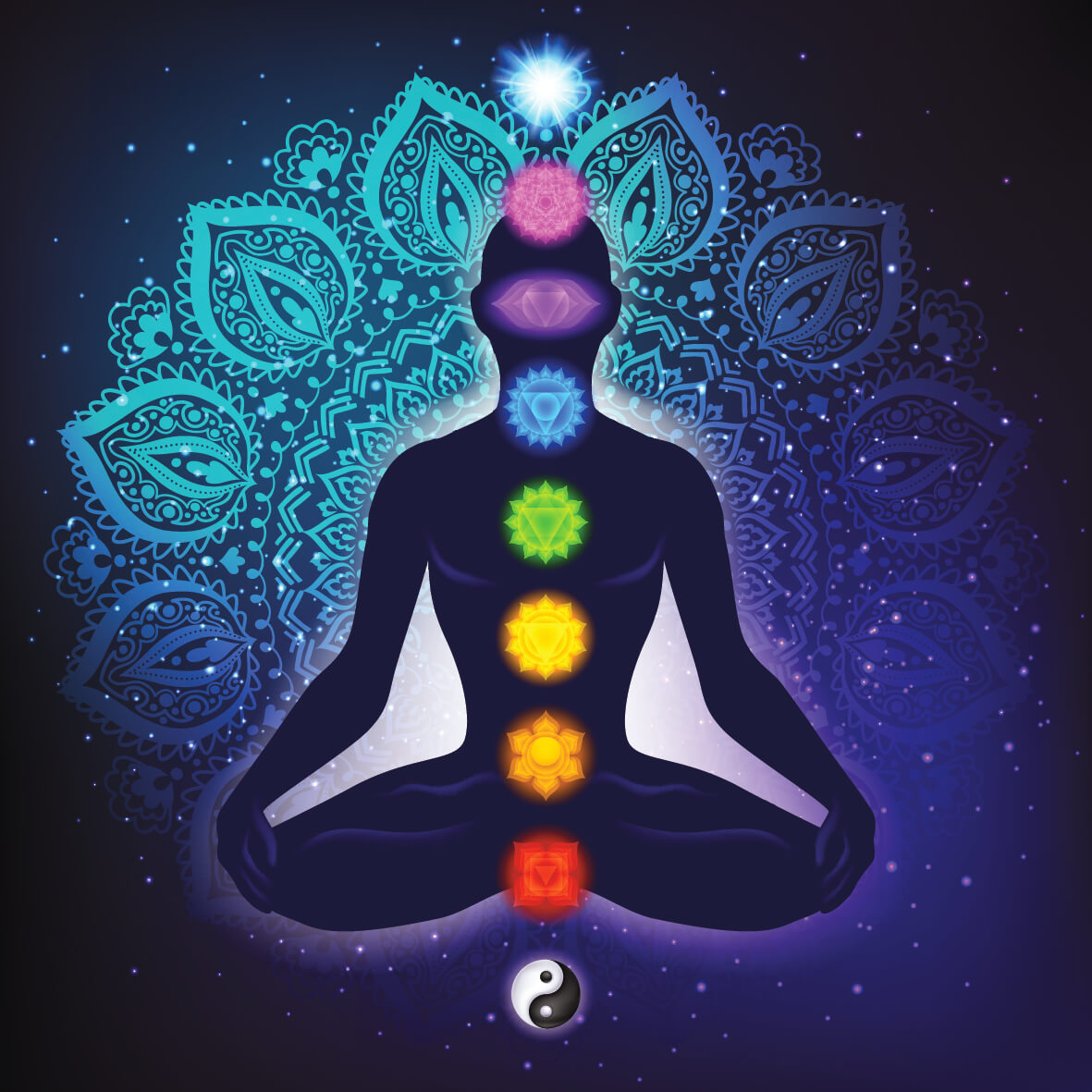
Tantric meditation pulls from a handful of specific techniques: visualizing deities or symbolic forms, focusing on a ‘yantra’, repeating a ‘mantra’ over and over, or directing attention toward the body’s subtle energy centers — the chakras. In this way your spirit will be more pueified. And when your spirit becomes one with nature , it will happen magic.
 Image Source: Hare Krishna Mandir
Some practitioners will work with a single mantra for months, sometimes years, trusting that the repetition alone can slowly reshape old, habitual thought patterns. Others lean on ‘pranayama’, controlled breathing, just to settle the mind before attempting anything deeper.
The logic behind all of it is fairly simple: the mind is restless by nature. Long, consistent practice is really the only thing that trains it to settle down and actually focus.
What sets Tantric meditation apart is how much it leans on the body itself. Instead of treating physical sensation as noise to tune out, a lot of these techniques build meditation around posture, breath, and subtle internal awareness.
What People Say They Get Out of It
People who stick with Tantra Sadhana for years tend to describe change that creeps up on them slowly rather than arriving all at once. Worth saying clearly — everyone’s experience is different, and none of this replaces actual medical or mental health treatment.
- A steadier emotional baseline – Many practitioners say regular meditation and breathwork make it easier to stay calm under pressure instead of snapping into reaction mode.
- Better focus, clearer thinking – Daily practice seems to build the ability to hold attention longer — and that tends to bleed into work, decisions, everyday life.
- A stronger sense of connection- A lot of people describe feeling more tied to themselves, to the people around them, even to the natural world.
- Sharper self-awareness Sadhana – asks you to watch your own thoughts and reactions without immediately judging them. Do that long enough, and it tends to make you live a bit more on purpose.
- A quiet sense of meaning- For plenty of people, the practice itself — just the act of showing up, day after day — becomes the point. A reminder that growth isn’t a finish line you cross, it’s just something you keep doing.
One more thing worth being upfront about: Tantra Sadhana is a spiritual and meditative practice, not medical treatment where your spirit become more powerful. If someone’s dealing with serious emotional struggles, they should be talking to a qualified professional — alongside any spiritual practice, or instead of one.
Where the Misconceptions Come From
You really can’t write about Tantra without addressing how badly it’s been misrepresented. Pop culture has boiled the whole word down to one narrow idea that barely scratches the surface of what the tradition actually is.
Classical Tantra is genuinely vast — it covers philosophy, ritual, ethics, meditation, spirit, self-improvement and various kinds of energy work.
 Image Source: hellomyyoga
The version that shows up most often in Western media is a thin, sensationalized sliver of something much older and far more serious.
Treating Tantra Sadhana with the respect it deserves means recognizing it for what it is: a demanding spiritual discipline that requires patience, real guidance, and years of sustained effort.
Actually Starting the Practice
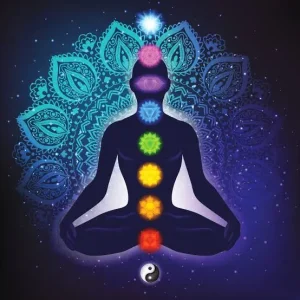 Image Source: Meditation in Sydney
Within the tradition, there’s a strong preference for learning under a qualified teacher rather than piecing techniques together from random corners of the internet.
A good teacher doesn’t just hand you a technique and walk away — they help you make sense of the psychological and spiritual shifts that tend to show up once you’re deep into sustained practice.
If you don’t have access to a teacher right now, that doesn’t mean you can’t start. A few simple habits go a long way: meditating at the same time every day, practicing basic breath awareness, and being honest with yourself about your own thoughts, behavior and purify your spirit , in other words focus on self-improvement.
These small, unglamorous habits reflect the same idea at the center of Tantra Sadhana — just keep showing up, and mean it.
Where Tantra Sadhana Leaves Us
Tantra Sadhana was never built to deliver quick results or mystical shortcuts. It’s slow. It’s demanding. It asks for daily practice, real meditation, knowing your soul or spirit and honest self-reflection, and it doesn’t hand out shortcuts to any of that through all of this you can work on your self-improvement.
What people get in return usually isn’t some sudden burst of enlightenment. It’s quieter than that — a slowly deepening sense of clarity, steadiness, and connection to something bigger than the noise of an average day.
Like most things worth doing, the results here come slowly. The real strength of Tantra Sadhana was never intensity — it’s consistency, patience, and showing up with sincerity, again and again.